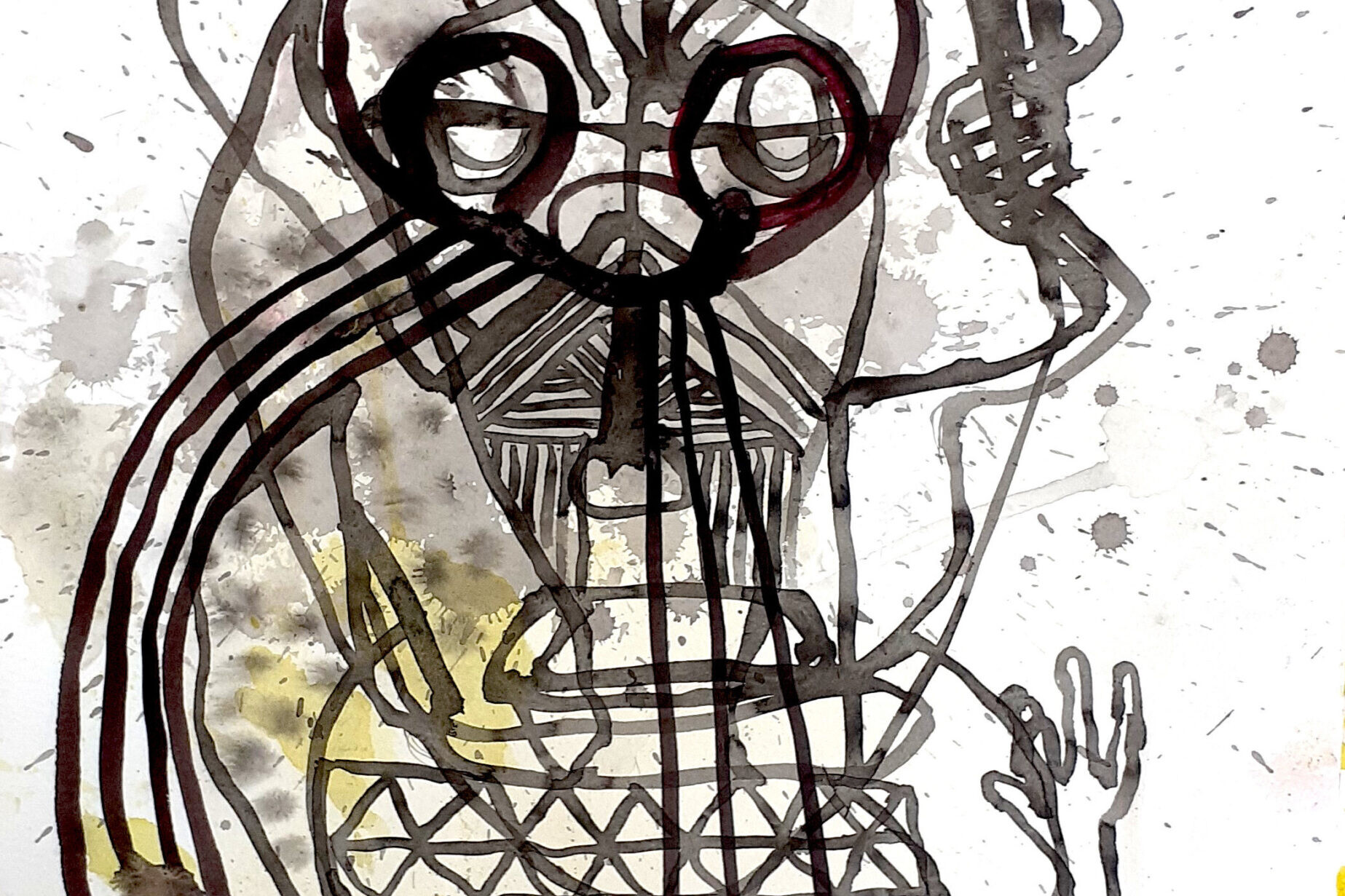
Hannah “Honey” Jaeger builds collages with an eye for unexpected connections and stories hidden inside forgotten images. Working from her Los Angeles studio amid stacks of found magazines, books, and discarded imagery, she transforms fragments of the past into intense, compelling worlds.
We’re delighted to welcome her to Decadent.
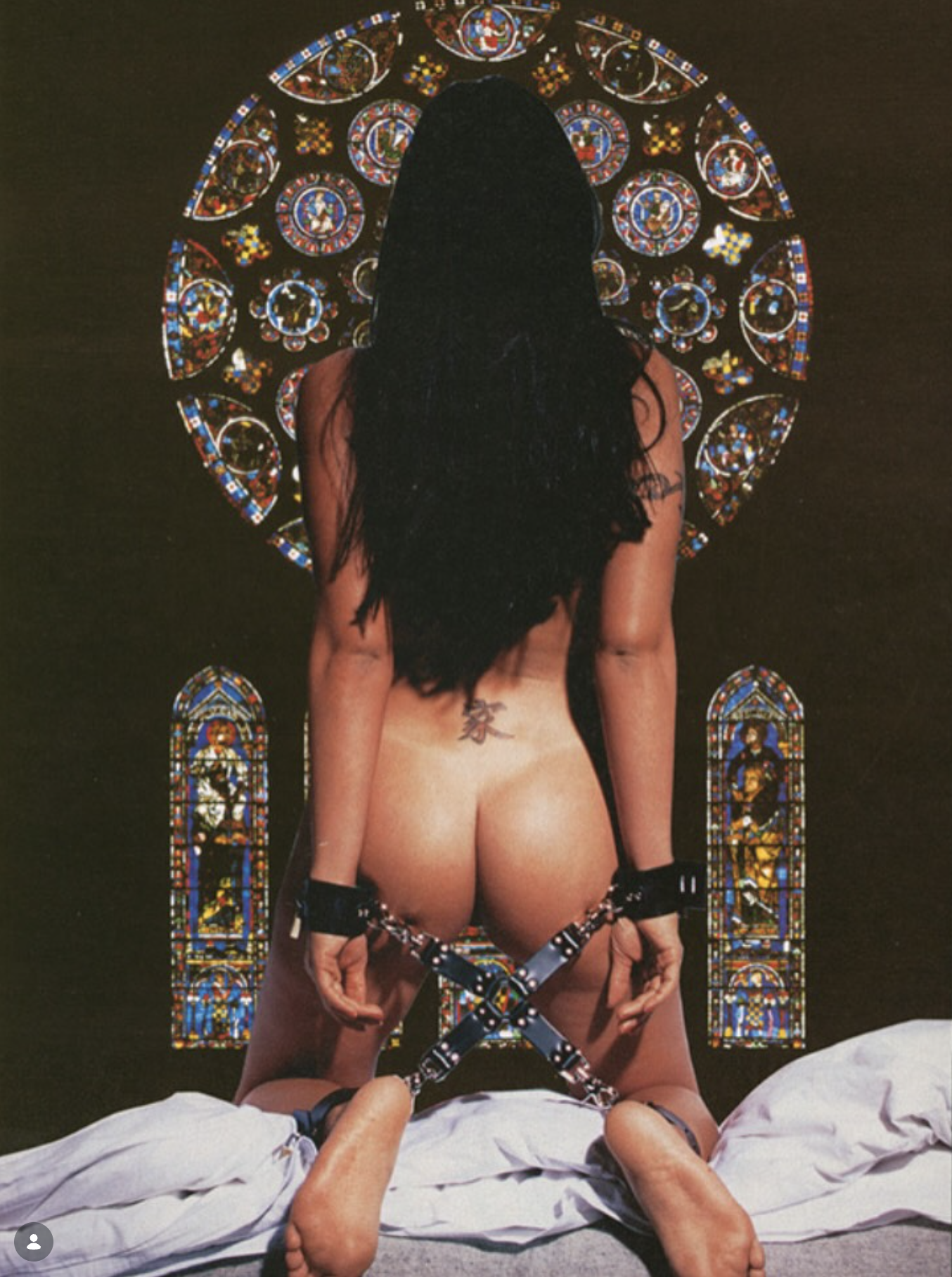
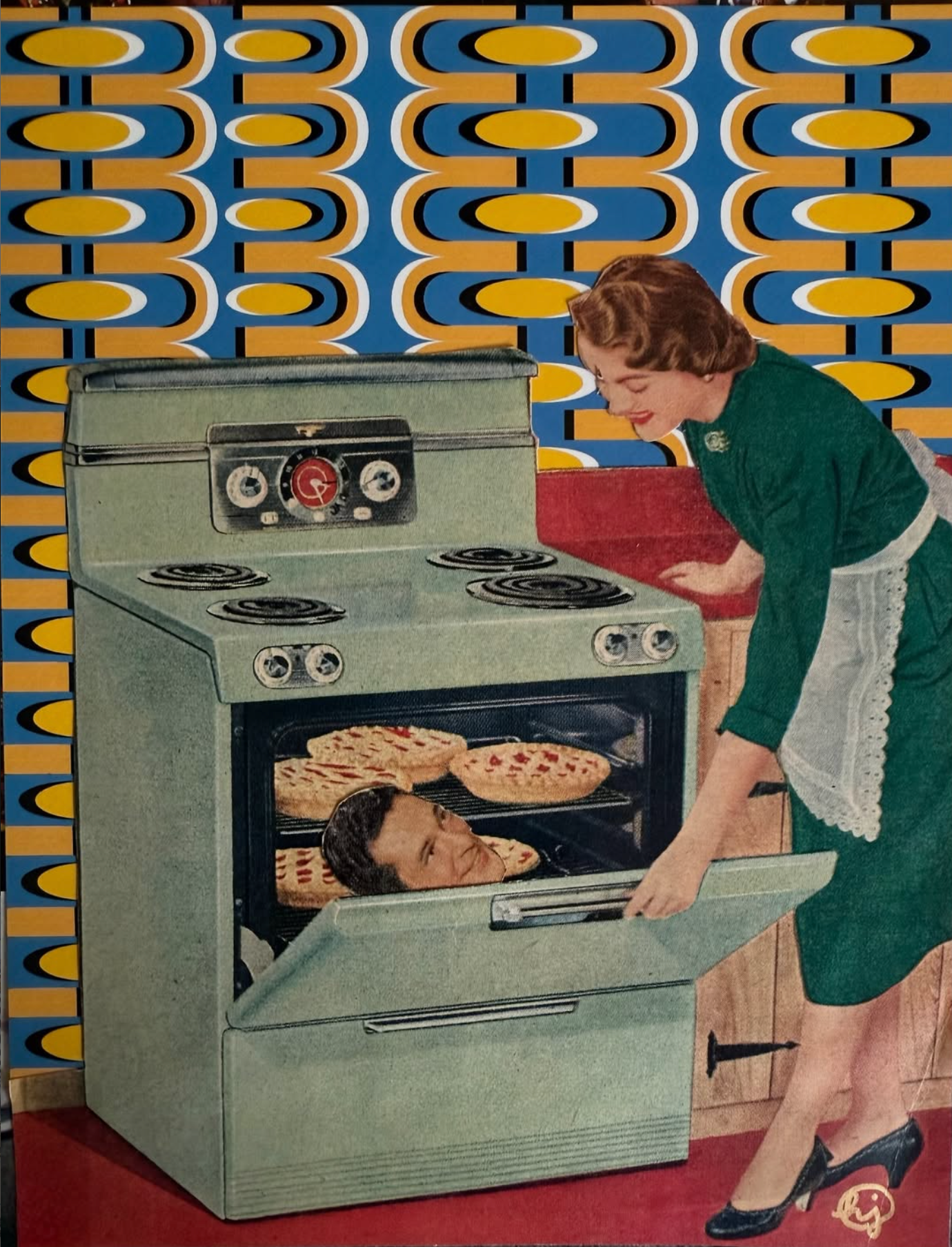
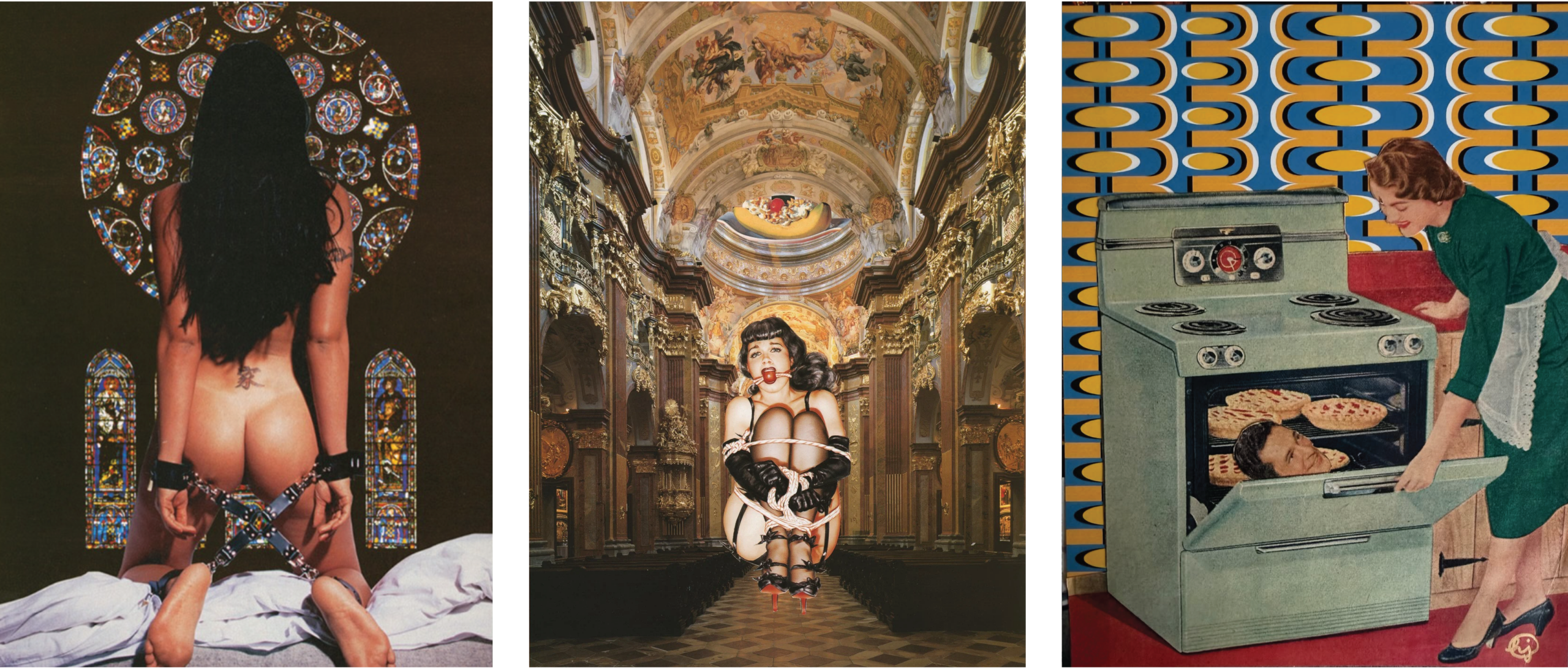
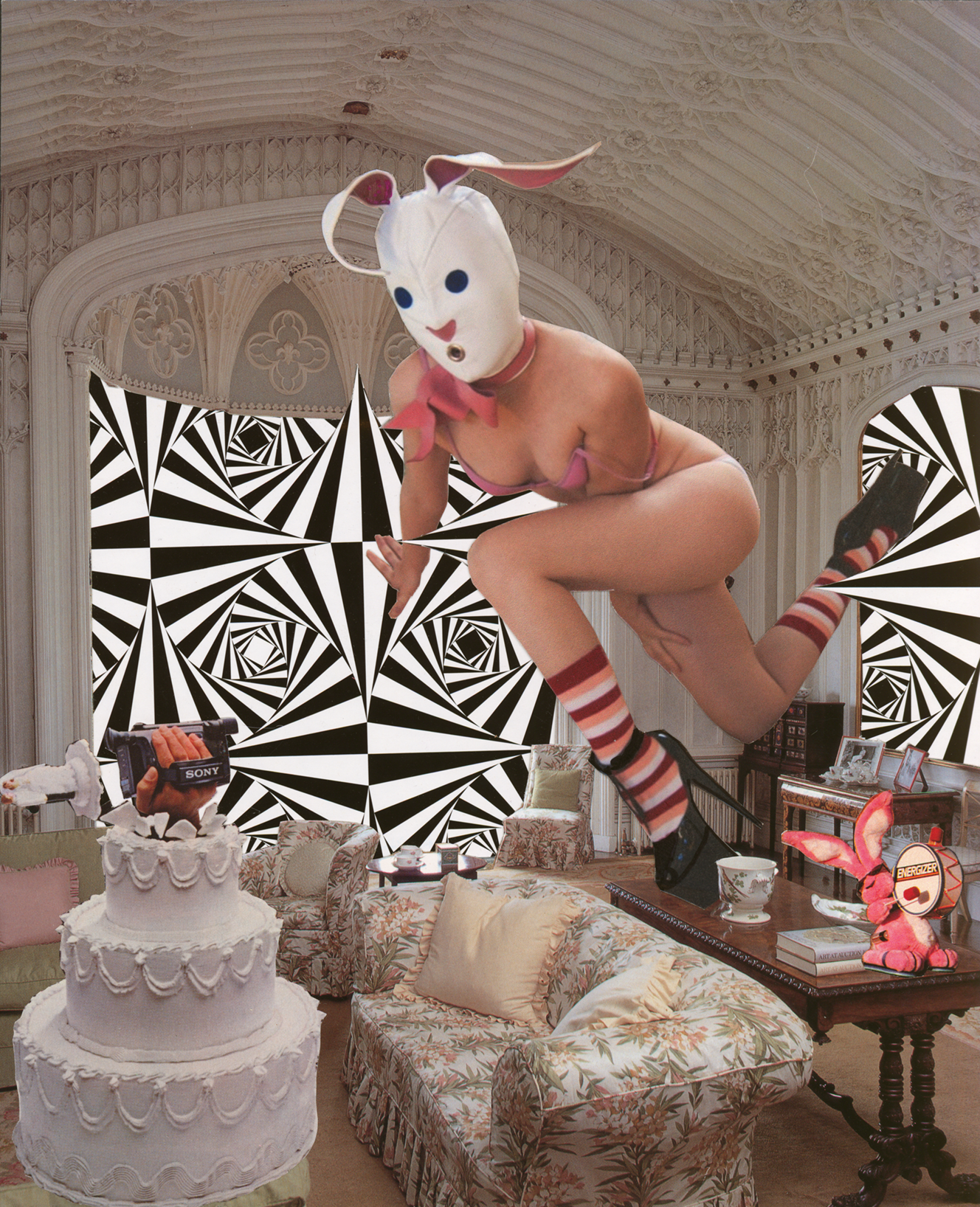
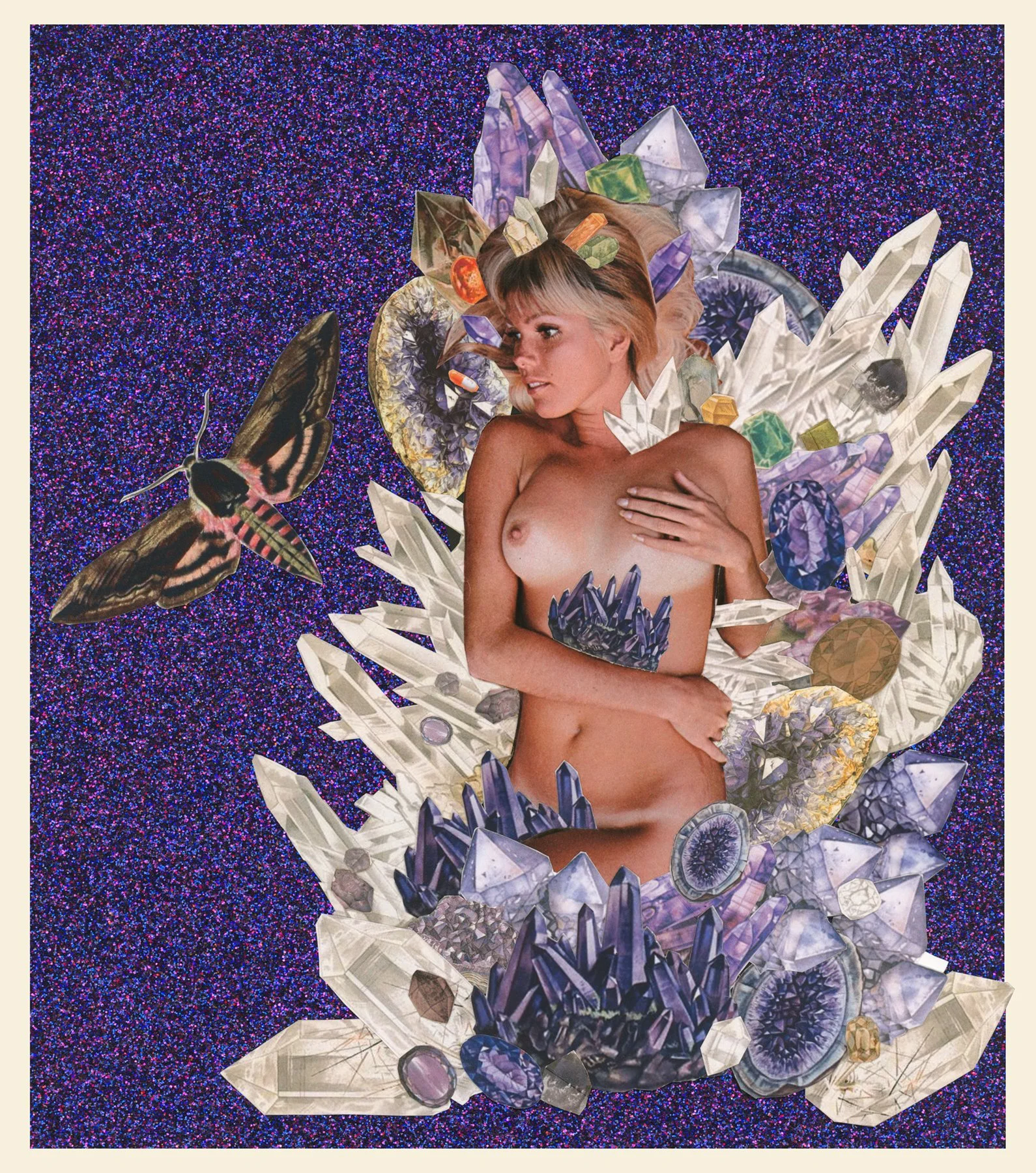
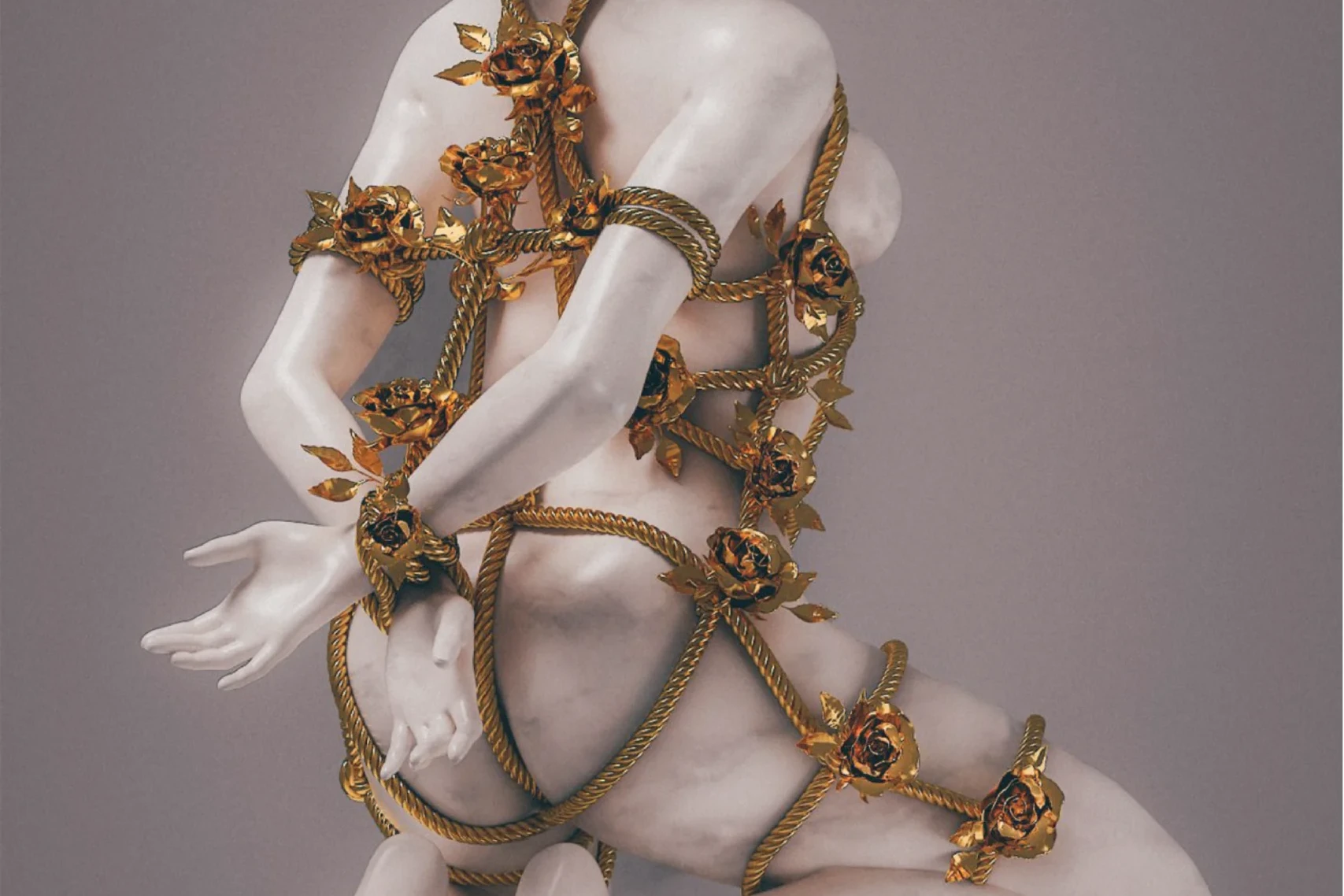
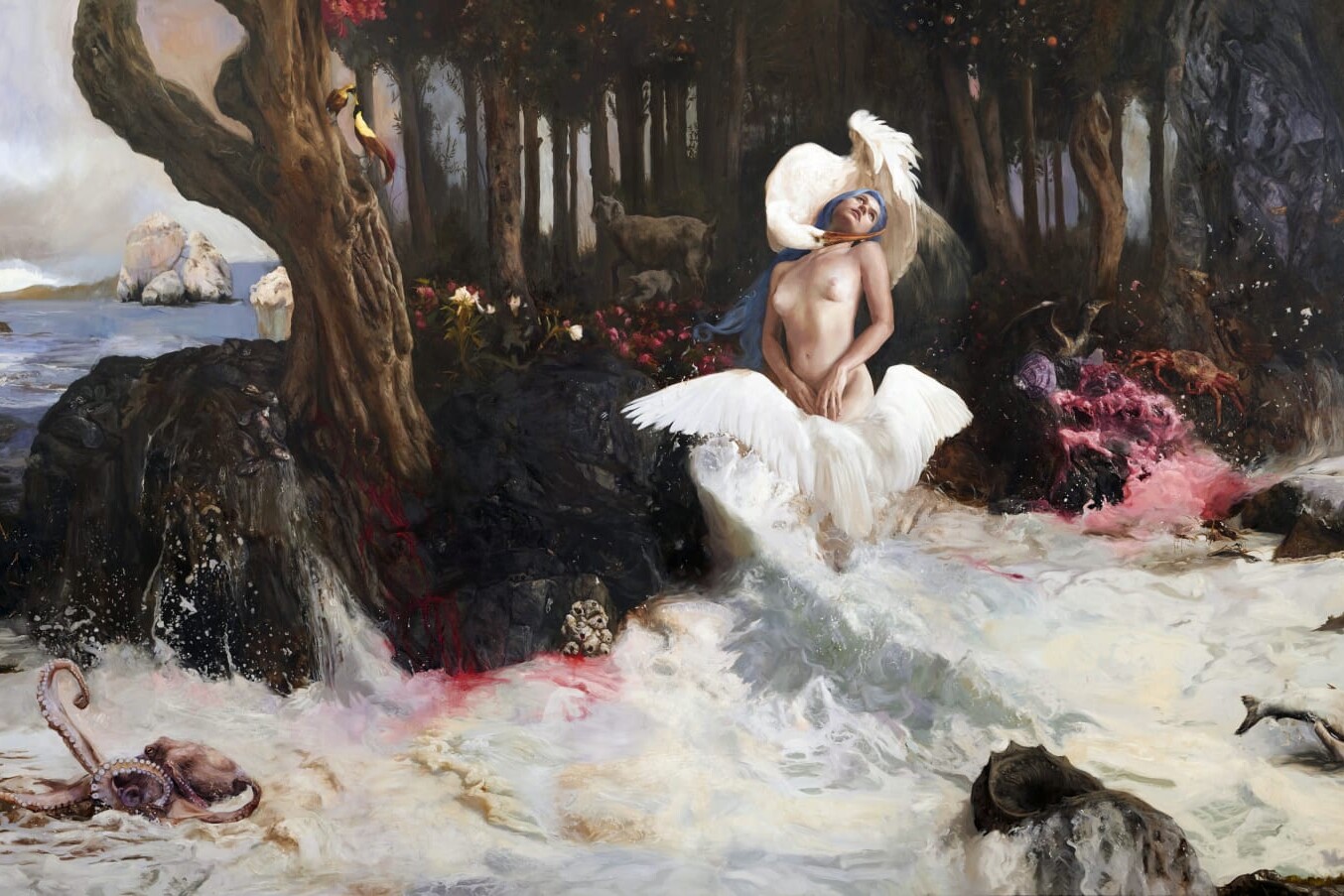
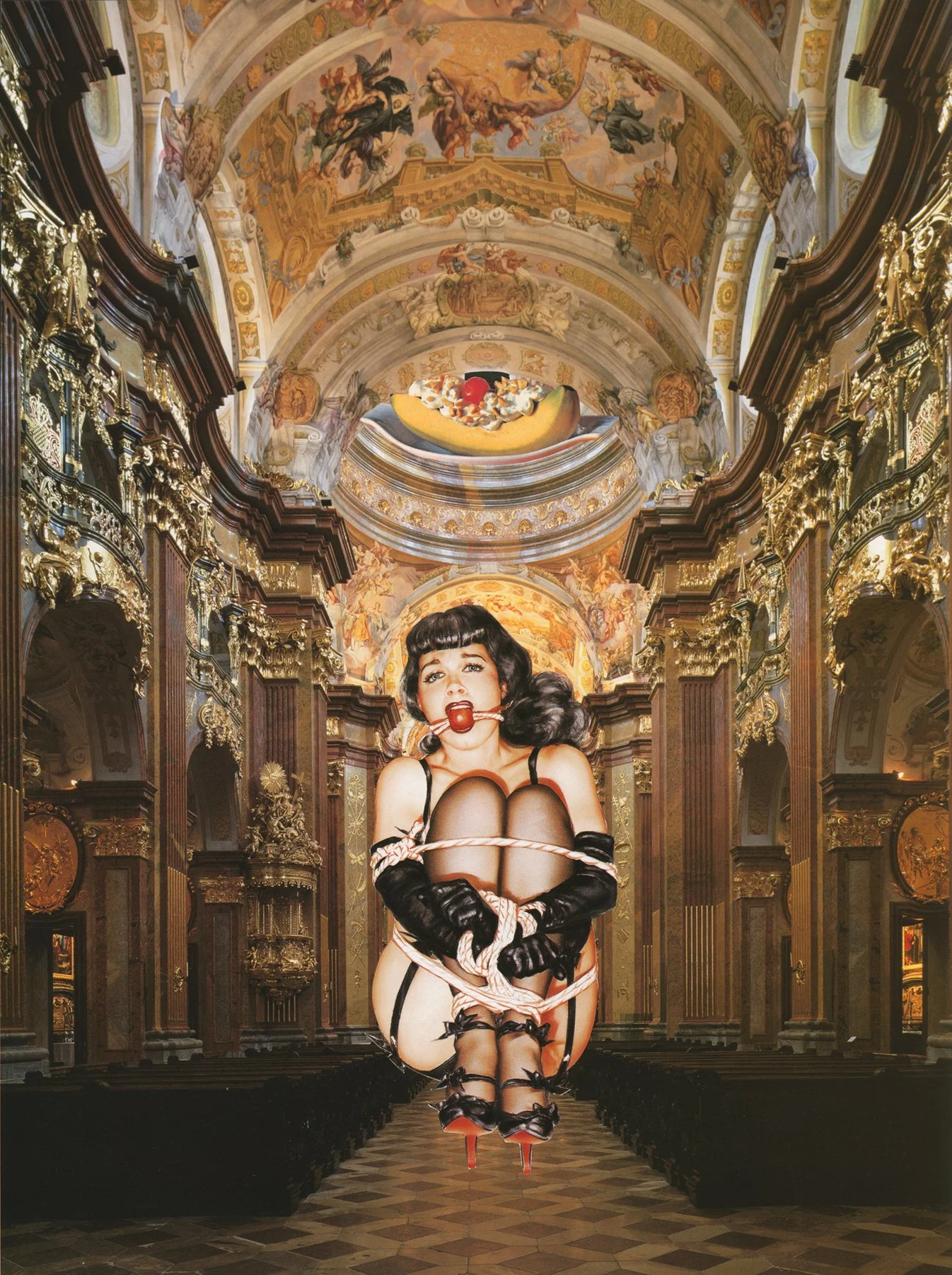
Left: “Blessed Are The Bound” Middle: “Our Lady Of Blessed Submission” Right: “I Followed The Recipe Until I Didn’t…”
Before collage, before school, what do you remember about the earliest need to reorganize or escape what you were seeing around you?
Art was one of the earliest ways I processed both my internal and external environment.
My childhood was deeply imaginative and free until it wasn’t. I was homeschooled until midway through second grade. My mother was very much a nature-based, homeopathic, and deeply religious woman. It was imperative to her that we were raised far removed from secular influence as possible. I would say one positive outcome of being homeschooled early on was the way she encouraged us to be curious about our environment and learn in an intuitive way. For me even at a young age, art is what I gravitated toward in order to process the world around me. Art became a more powerful means than words to communicate.
Being able to create, or get lost in a flow where time and space are irrelevant is the an addicting escape. Art has also always been deeply cathartic, providing an emotional release when I didn’t have the tools or therapy to work through life’s turmoil.
Art became both my escape and my survival mechanism. It allowed me to externalize emotions that felt too overwhelming to hold internally. Through creating images, I could reorganize the chaos around me and reconstruct reality into something I could understand, even temporarily.
Was there a specific moment where you realized, “Oh! Everything I was taught might be bullshit”? And if so, when and how did that first inform your work?
I think I questioned the structure I was raised in from a very young age. I was always teetering on the edge, wanting to peel back the layers of belief.
The definitive shift happened during my time at ArtCenter. I began reading academic theory and taking neuroscience classes focused on dreaming, imagination, and perception. Understanding how individuals construct reality, and how imagery informs that construction, fundamentally changed the way I viewed culture.
That curiosity led me to dissect media itself: who controls imagery, who shapes cultural narratives, and how visuals are used to manufacture value systems and social norms.
Witches, Witch-Hunting, and Women by Silvia Federici became the thought snowball that turned into an avalanche. It completely reframed the way I understood religion, power, gender, labor, and social control.
From there, I started dismantling the societal facade piece by piece. I began with my own lived experience, then expanded outward into culture itself, examining the systems, myths, and structures we inherit without questioning.
Collage allows me to utilize visual imagery and kinda turn it on itself, to form new meaning, almost as if it’s an act of defiance of its original purpose.
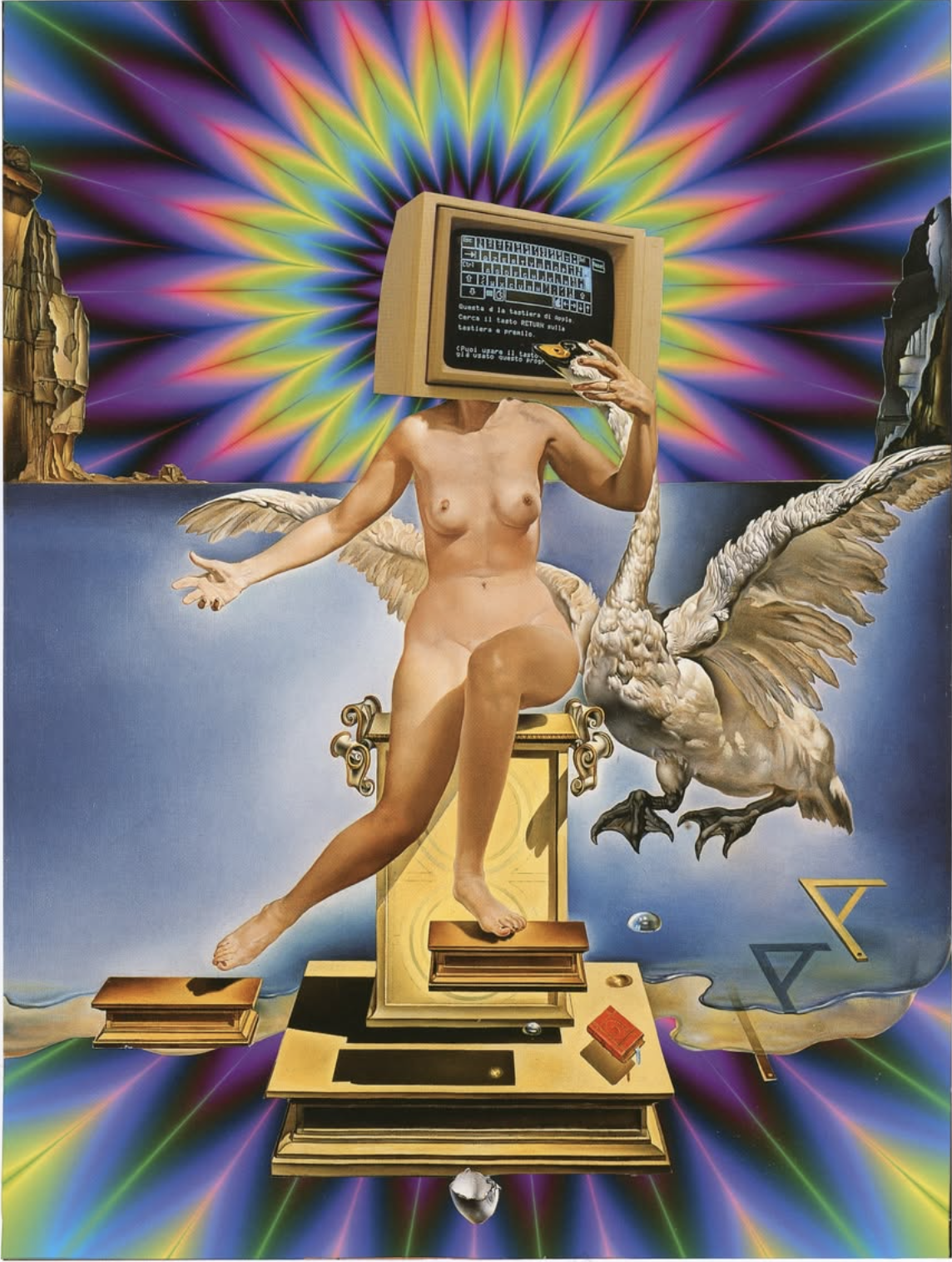
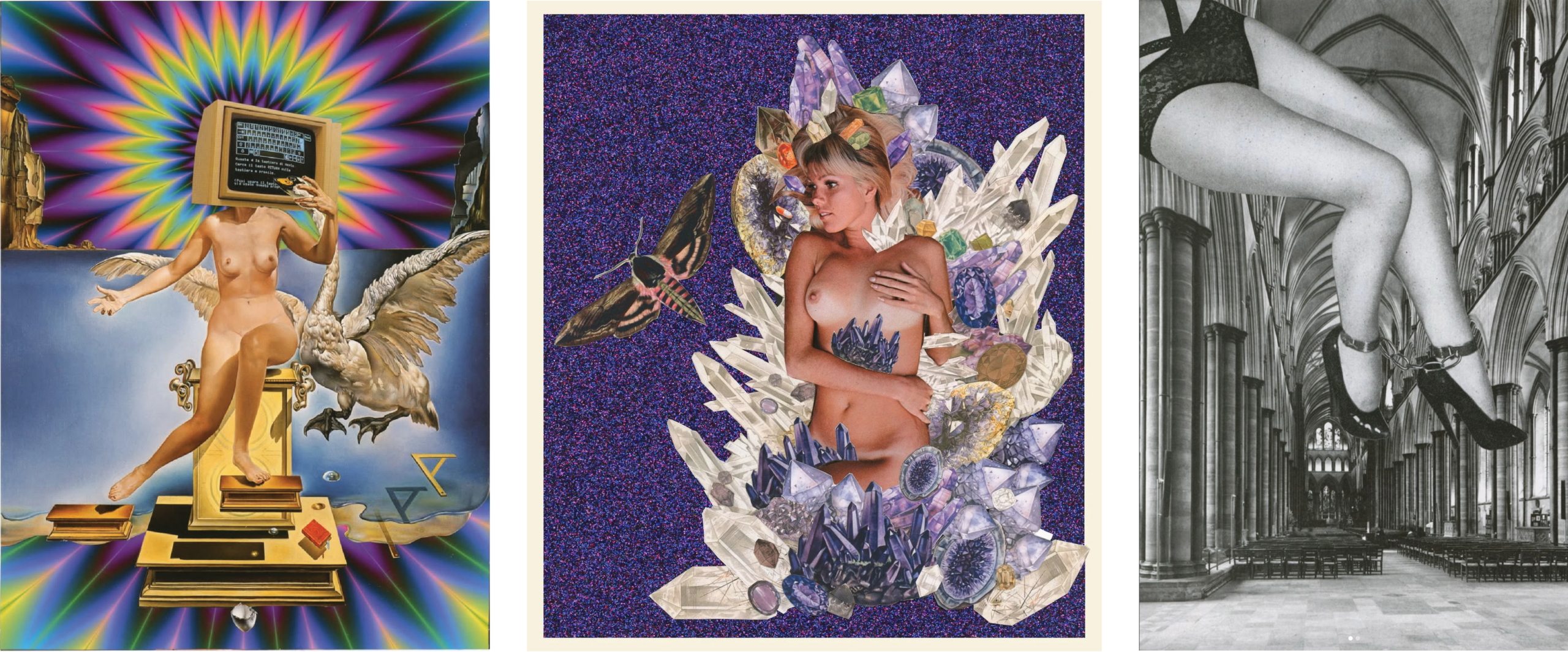
Left: “The Swan, The Girl, and The Terminal: A Play In One Impossible Act” Middle: “Velvet Lined Desert Basin” Right: “Hymn Of The Perverse”
Do you think of your collage almost like confession? If so, what’s the most dangerous secret you’ve ever hidden in plain sight inside a piece?
All of my pieces are coded through imagery, so in that sense, yes, they function as confessions. If you can decode the visual language, you can usually uncover the emotional architecture beneath the work. Sometimes even I don’t fully understand what a piece means while I’m making it. The works are layered, contradictory, playful, dark, and intuitive all at once. They’re confessions of knowledge, vulnerability, desire, grief, and transformation. My practice openly intersects religion, sexuality, feminism, and BDSM. A confession that I’ve bitten the apple.
Your materials are old magazines full of outdated fantasies: Playboy, Life, National Geographic. Do you think you’re reclaiming those images or exposing the darker things that were hiding underneath them all along?
Outdated fantasies yes, but I see them as a direct correlation and influence on how modern day values and norms have formed. The issues that still plague society today. Some of my work exposes darker undercurrents embedded within those images and cultural fantasies.
Other pieces reclaim and empower them. Removing images from their original context is, in itself, an act of reclaiming. Once detached from their intended narrative, they become unstable. They can be rewritten, exposed, elevated, or corrupted.
I’m interested in revealing the tension that was always hiding beneath the polished surface.
You work with a surgical scalpel. When you’re holding a scalpel over an image of a perfect 1950s housewife or pin-up, does it ever feel less like collage and more like…something else?
Absolutely. It feels like a dissection of culture.
There’s something psychologically charged about physically cutting into imagery that was originally designed to sell perfection, fantasy, obedience, femininity, or desire. The scalpel becomes both destructive and investigative. I’m cutting apart the mythology in order to understand what’s underneath it.
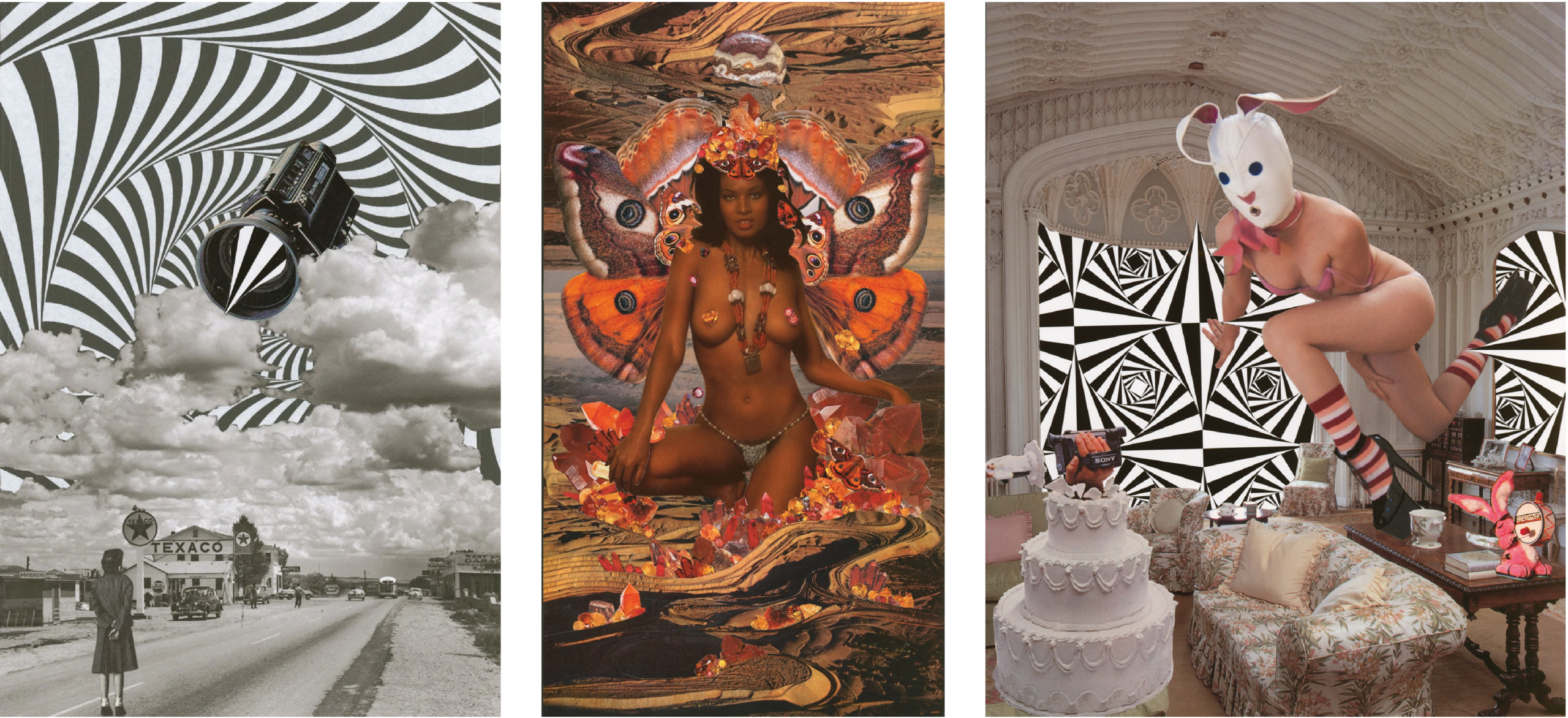
Left: “The Last Time I Saw Her” Middle: “The Goddess Of The Shifting Sands” Right: “Now That We’re Married”
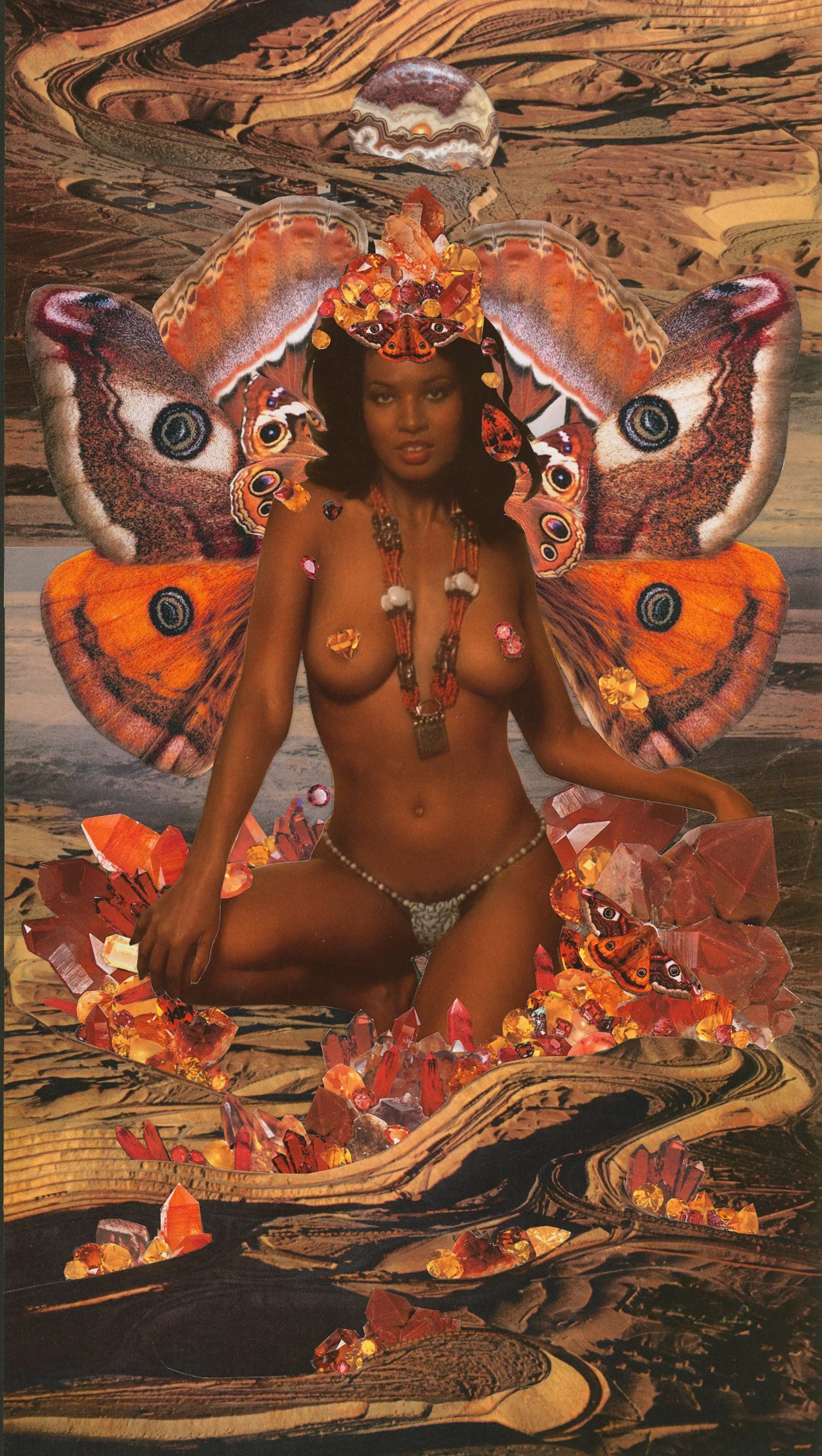
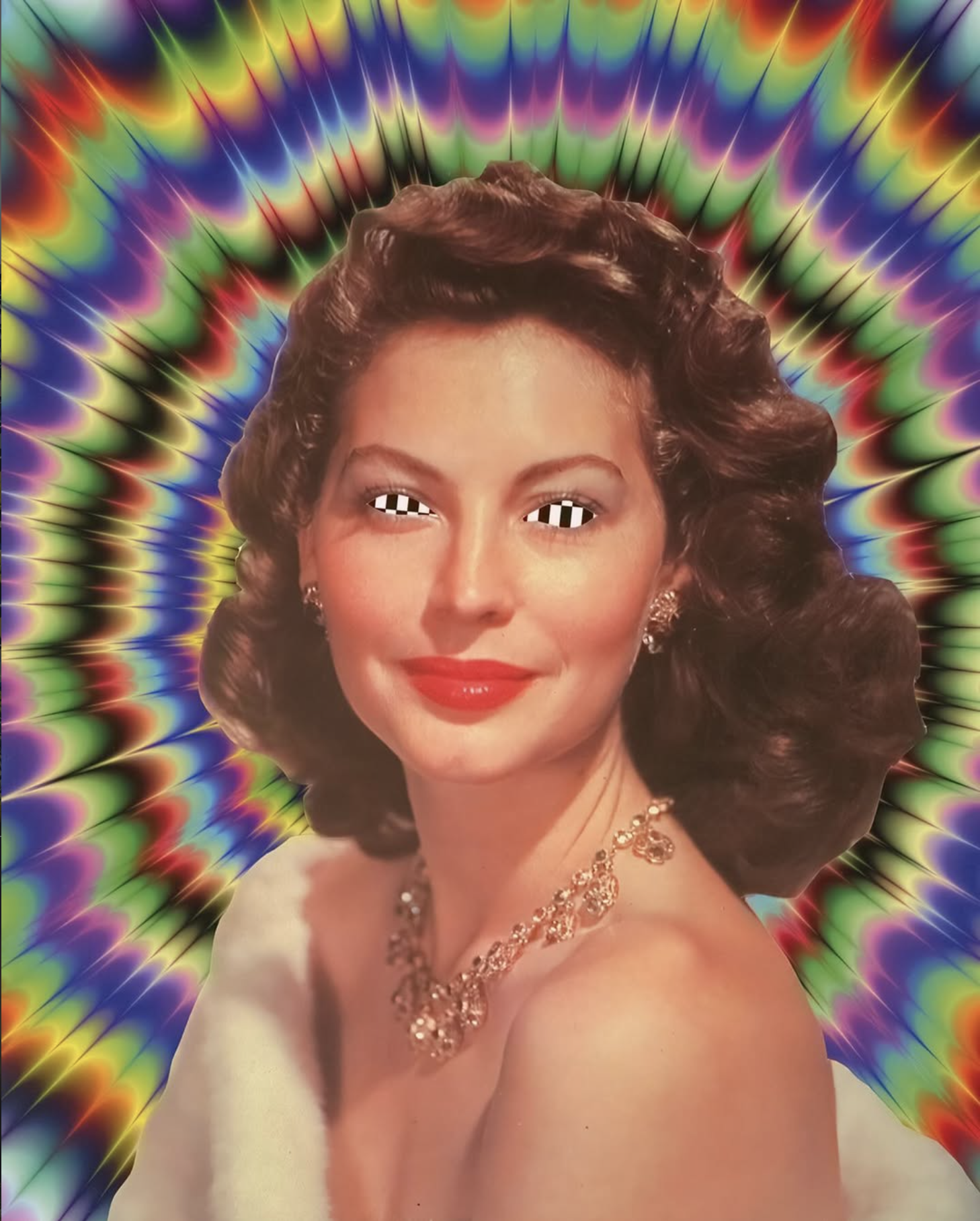
You talk about spirituality, moon cycles, cosmic whispers, but also precision, control, and exacting craft. Are you more witch or engineer?
Definitely more witch.
But I think there’s an inherent precision in ritual too. Collage itself feels ritualistic to me, repetitive, obsessive, intuitive, symbolic. My process exists somewhere between instinct and control.
Your work feels obsessed with surfaces cracking open: beauty splitting into horror, nostalgia curdling into dread. Do you think Americans are especially addicted to pretending “everything is fine”?
Absolutely.
American culture is deeply invested in maintaining surfaces. We’re conditioned to prioritize convenience, comfort, performance, and image over genuine confrontation or introspection.There’s an obsession with quick fixes, numbing, branding, optimization, and aestheticized wellness instead of addressing the underlying sickness itself. It becomes less about health and more about conformity, fitting into an idealized image while disconnecting from the deeper issue underneath. We are where we are right now by pretending that everything’s fine when our systems are fundamentally broken and have been since they were made.
You’ve said collage became the way to process grief after losing your mother. Do you feel like you’re still trying to reconstruct something that was broken at eleven, or have you moved beyond repair into reinvention?
I’ve moved beyond repair and into reinvention. There was no repairing what broke when my mother died, nor do I think I would want to return to who I was before that fracture. Grief permanently altered the architecture of my identity. I was forced to evolve, adapt, and forge my own understanding of healing outside of the systems I was raised within. My work isn’t about restoring innocence. It’s about transformation through fragmentation.
No AI, no digital manipulation, just hand-cut paper in an era of infinite synthetic imagery. Is that artistic purity or an attempt to make something honest in a world that rarely is?
I think it’s both.
We live in a time where machines can increasingly generate imagery, ideas, aesthetics, even imitation emotion. Because of that, there’s something deeply important to me about physical labor, tactility, and the human hand.Every cut, placement, mistake, and reconstruction exists because I physically made it exist. My hands created these images. I manifested the thoughts materially into the world. There’s a kind of honesty in that process that feels increasingly rare.
Thanks so much for speaking with us today and sharing your brilliant work.
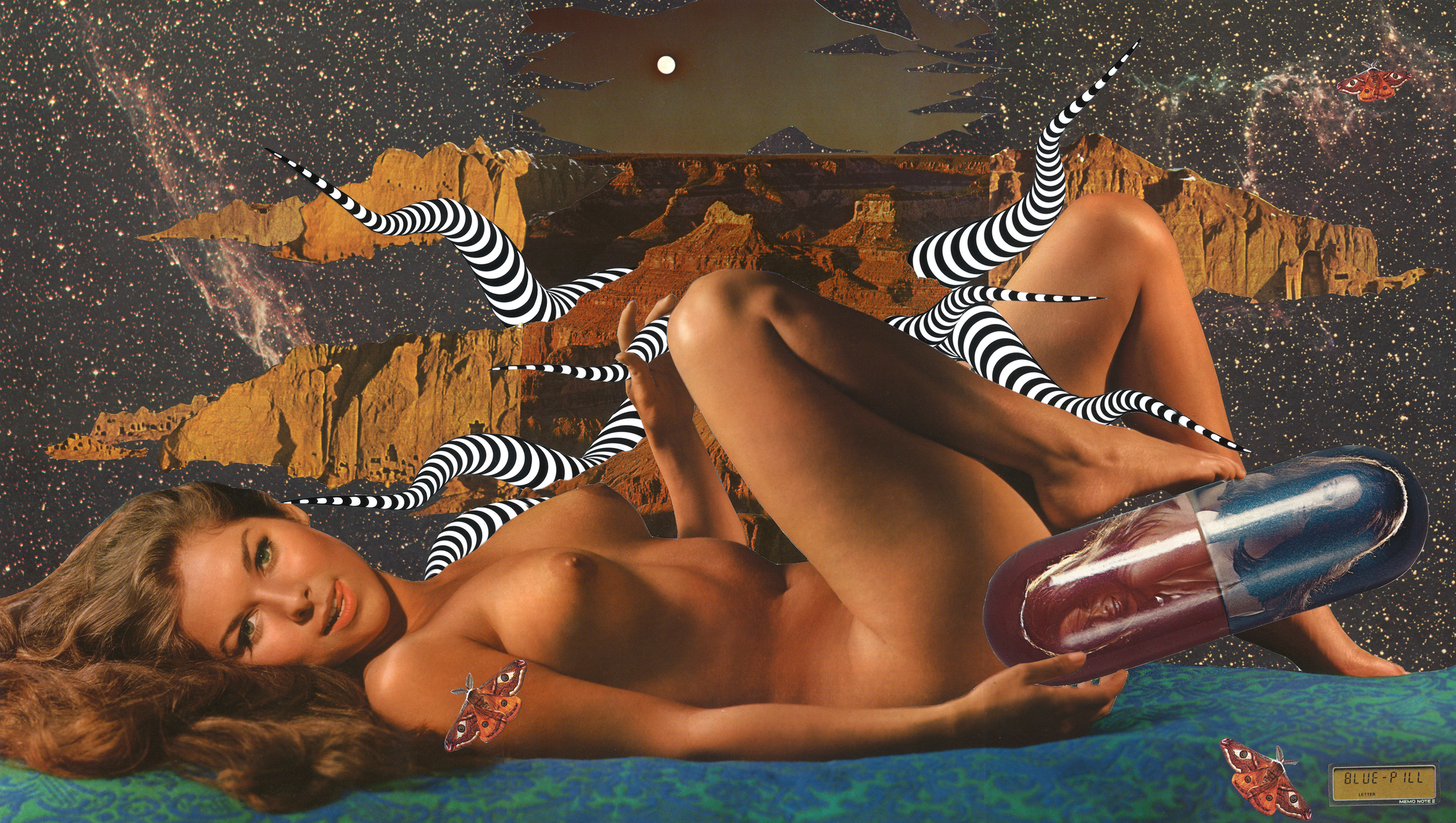
“Refusal Of Enclosure”